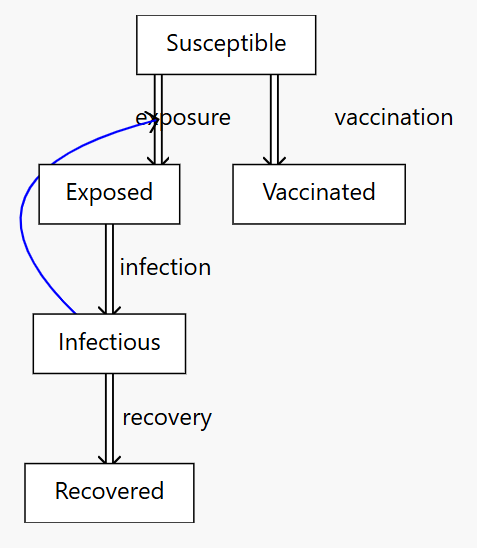
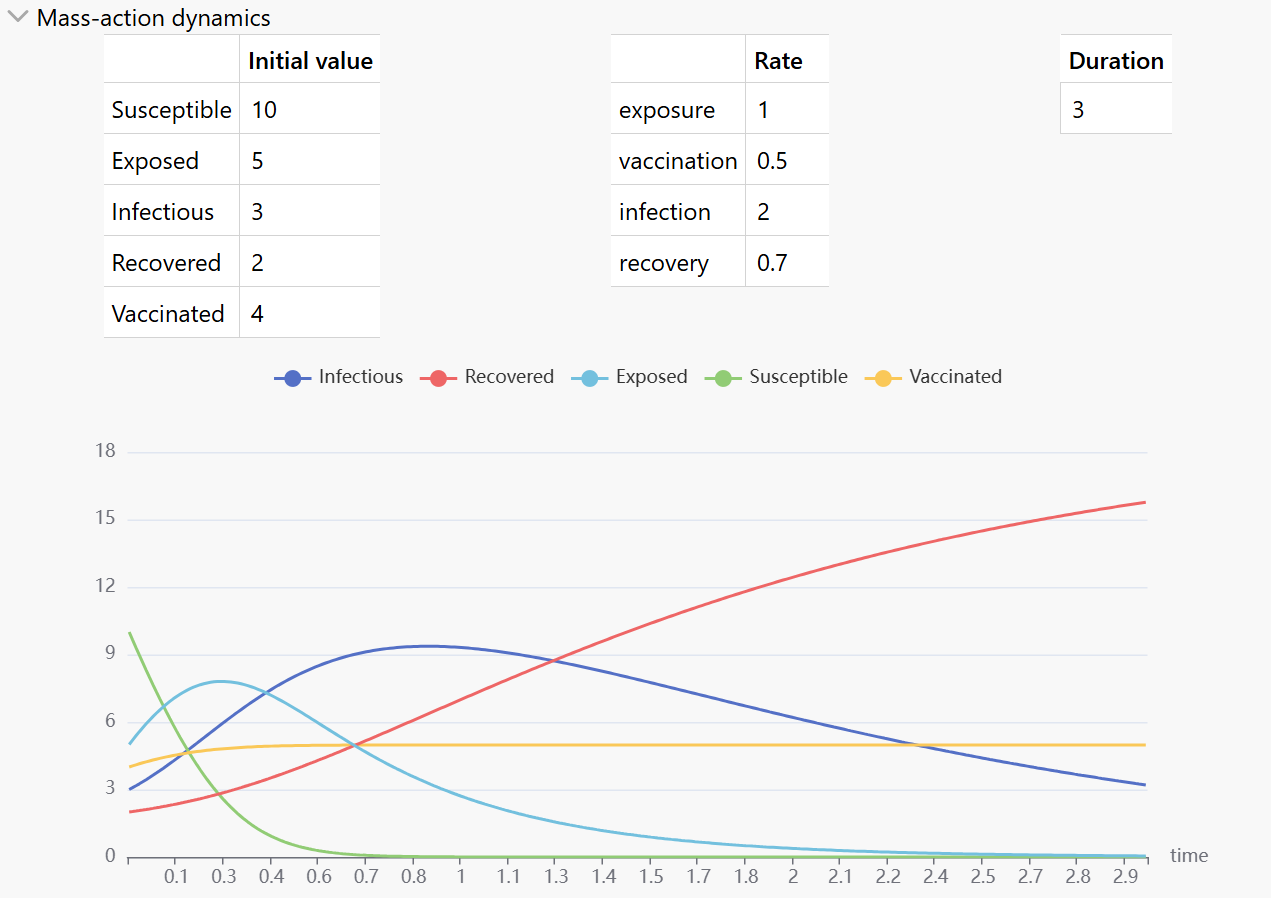
Refine yourself a code
for great good!

2025-05-30 Relatorium
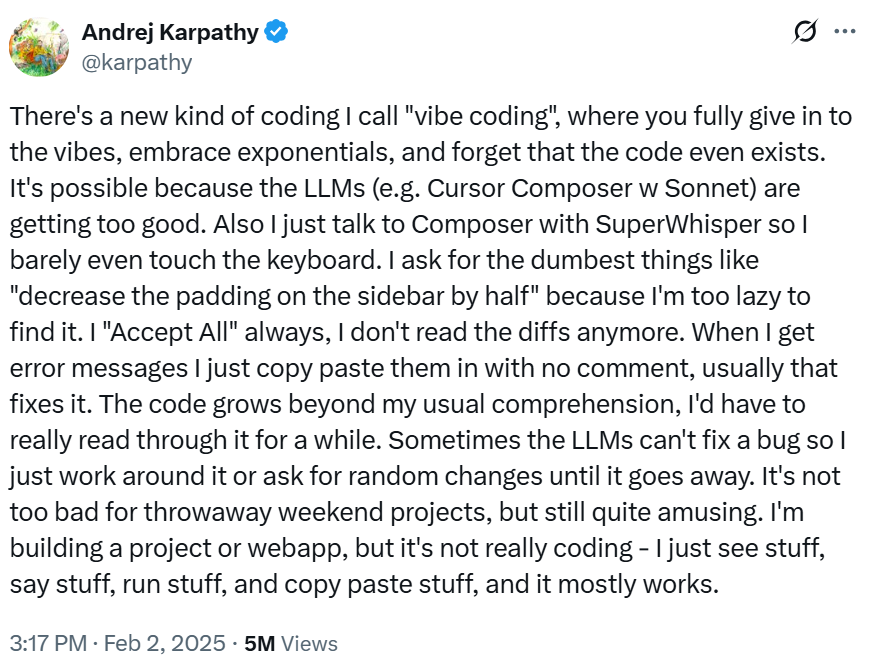
Recreational Vibe Coding
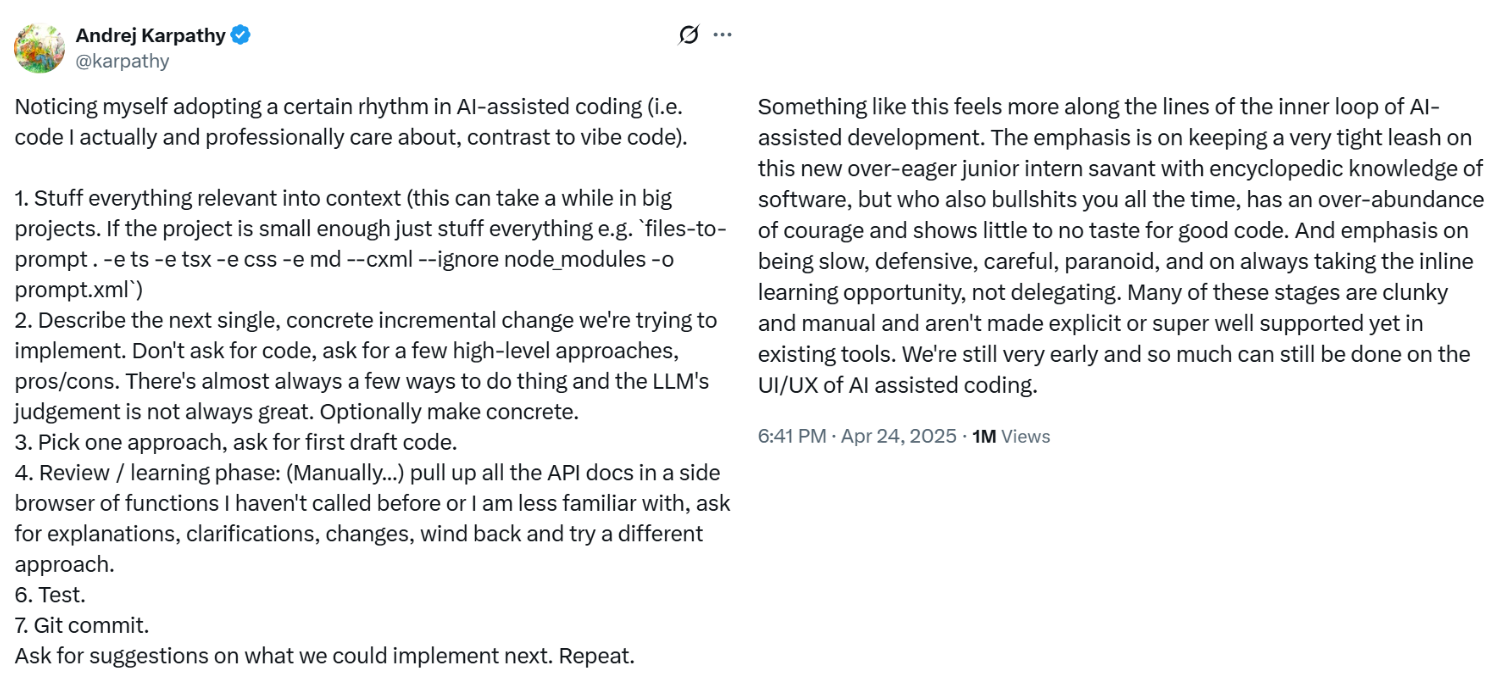
Professional Vibe Coding
Today’s Take-homes
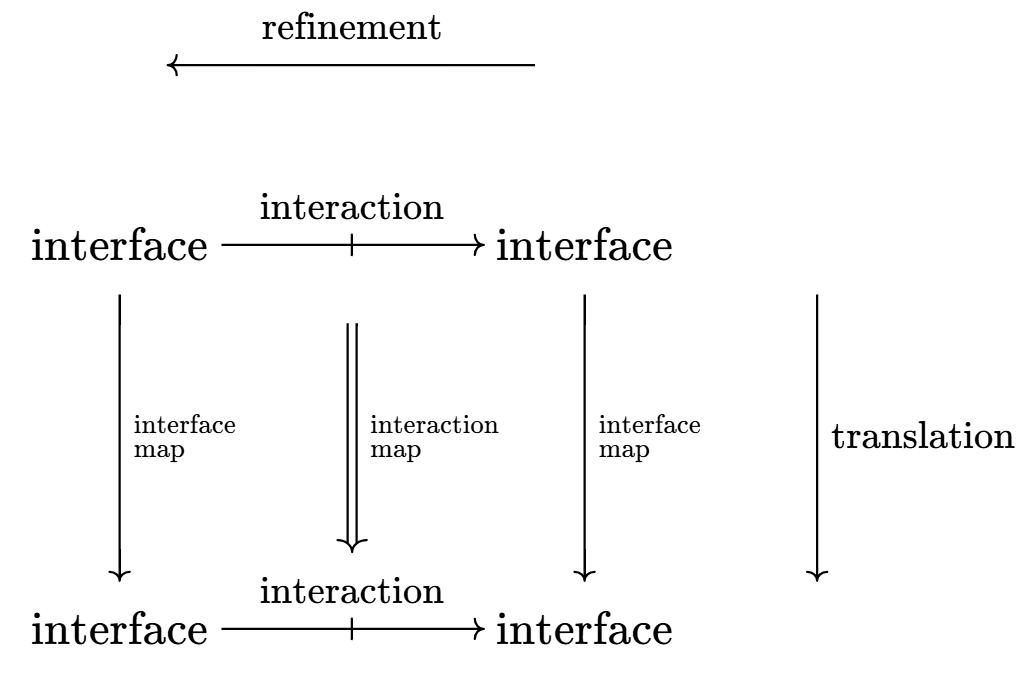
Refinement
- Small incremental
goal decompositions - Opposite of interactions
between interfaces
Today’s Take-homes
Translation
- Mapping between
interfaces and interactions - Double categorical perspective
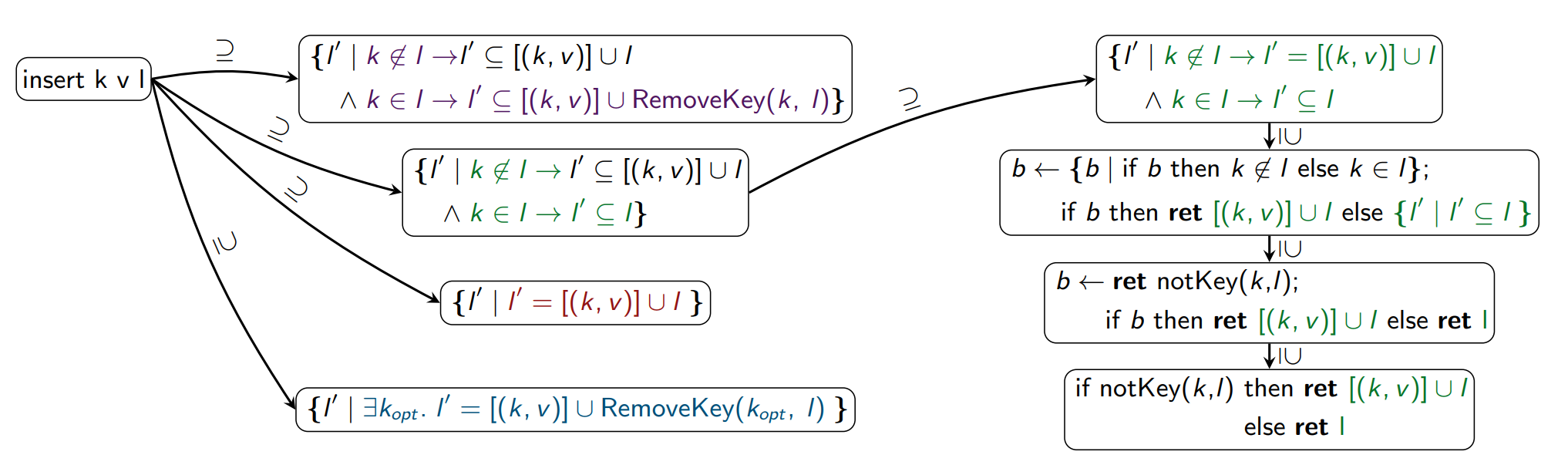
Refinements
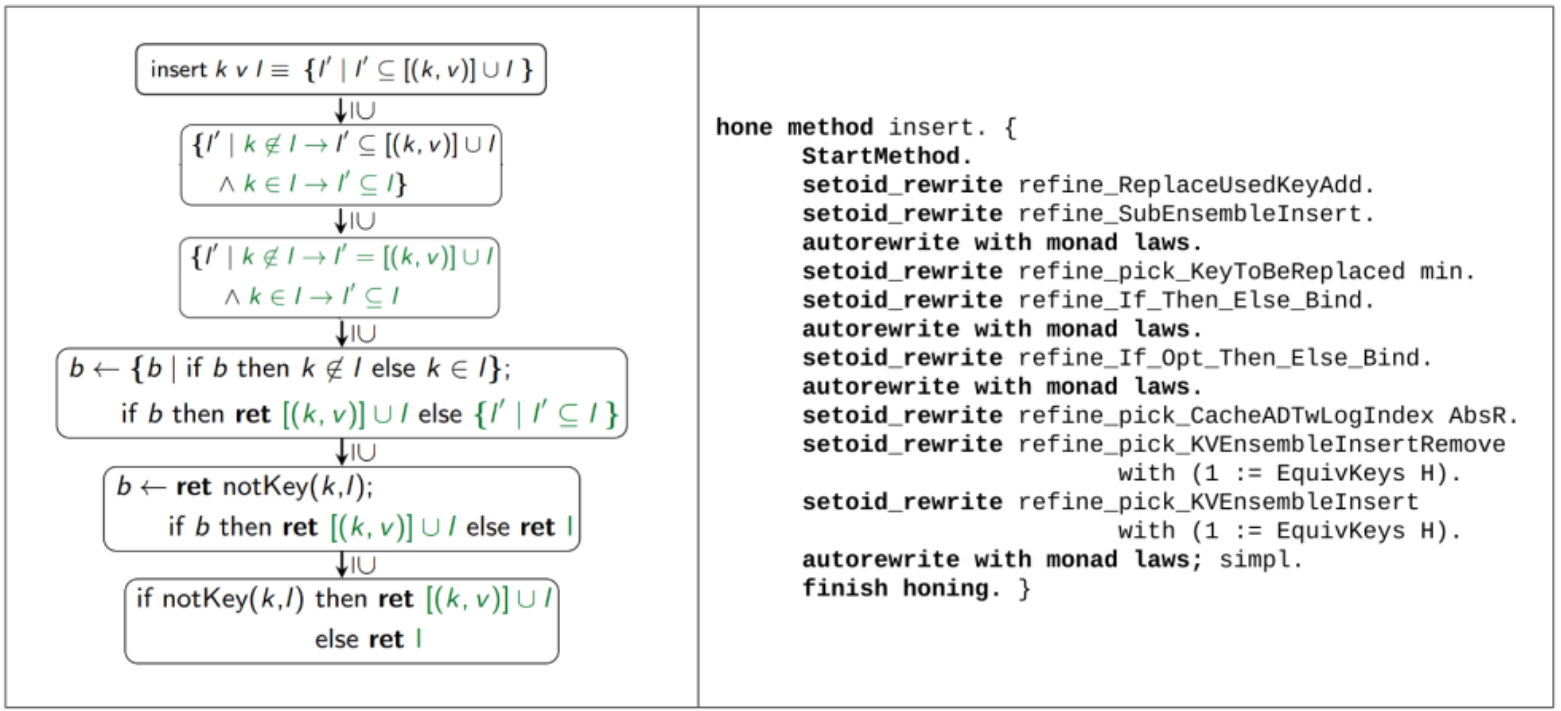
Insert Function - Signature
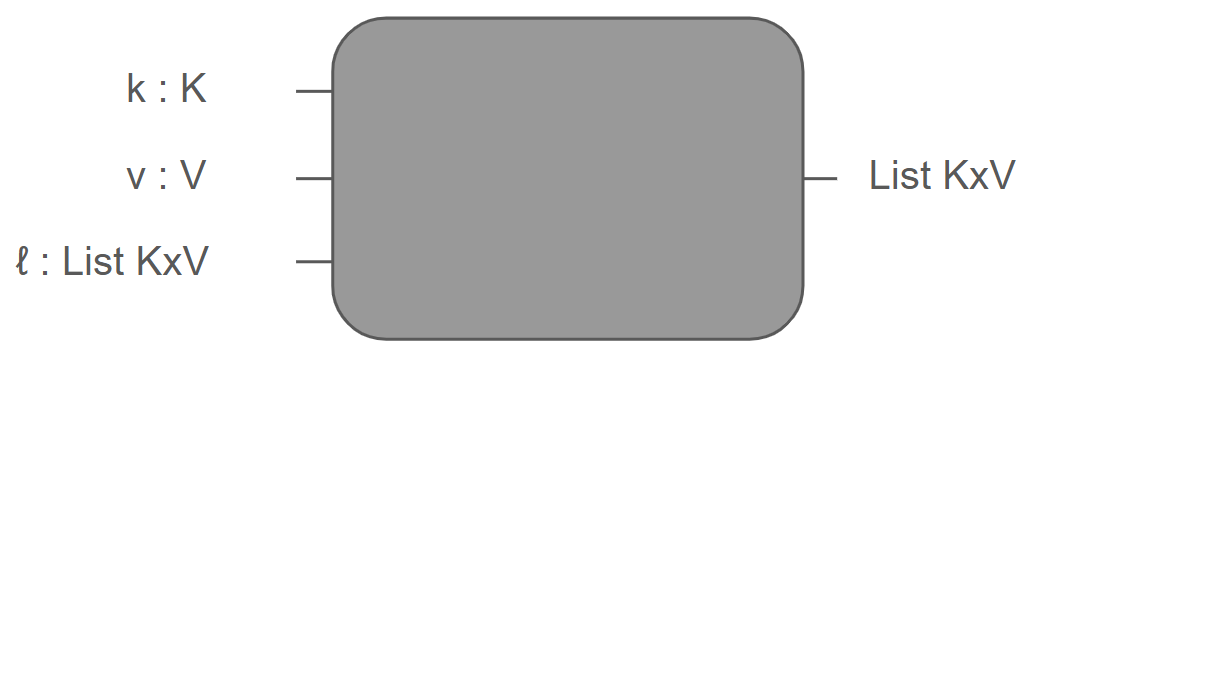
Insert Function - Refinement
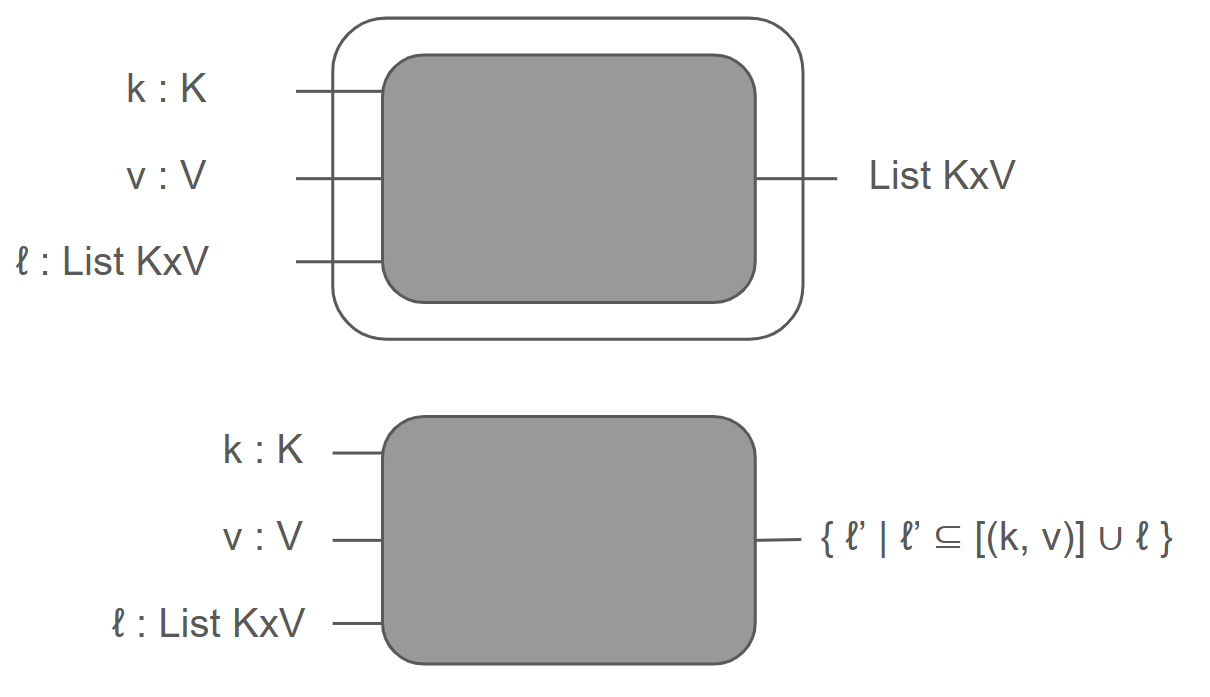
Insert Function - Refinement
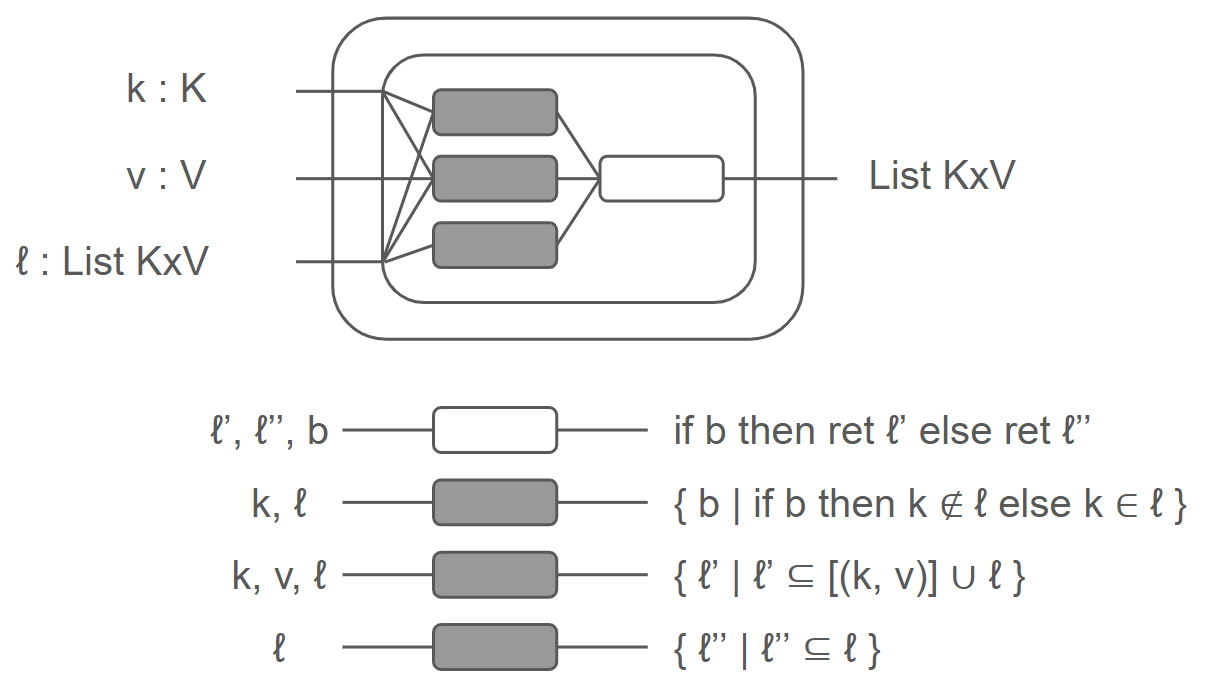
Insert Function - Finished
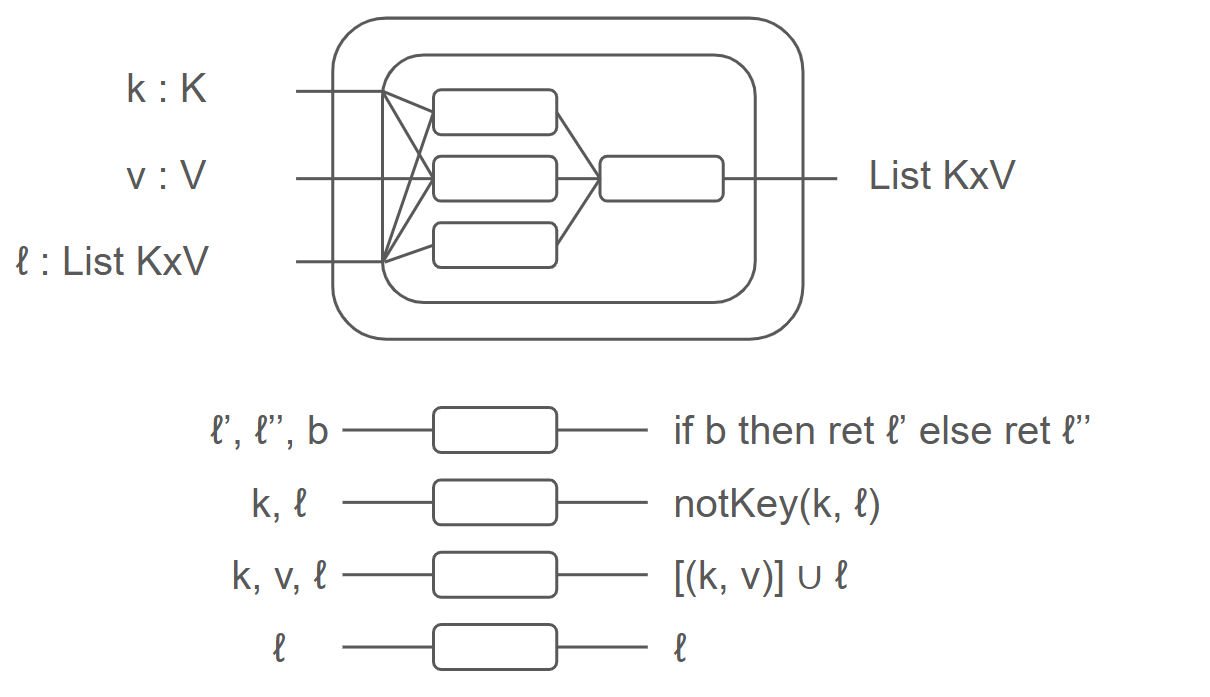
Interfaces and Interactions
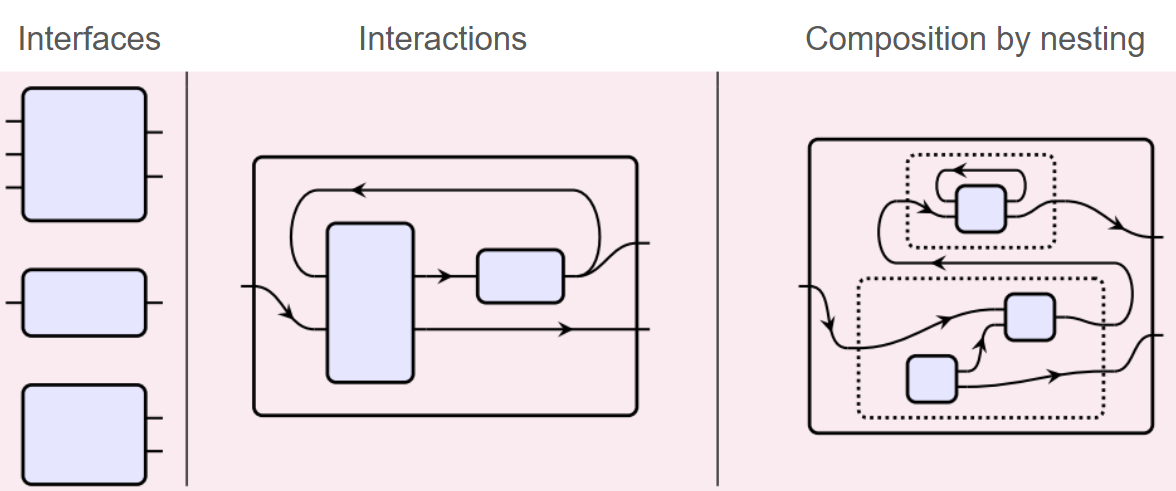
external and internal interfaces. Composition occurs by nesting.
Interfaces and Interactions
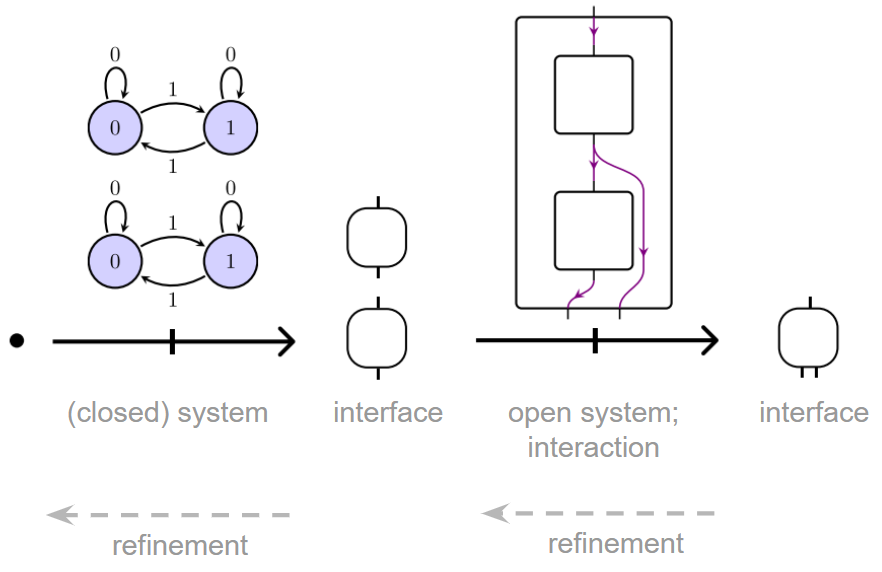
Theorem Proving
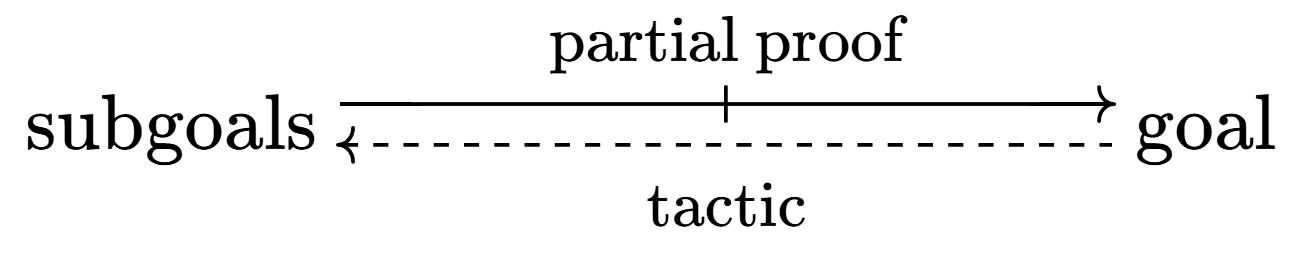
- Tactics refine goals into subgoals
- Under the hood, a partial proof term eventually glues proofs of the subgoals into a proof of the original goal
Maps between Interfaces
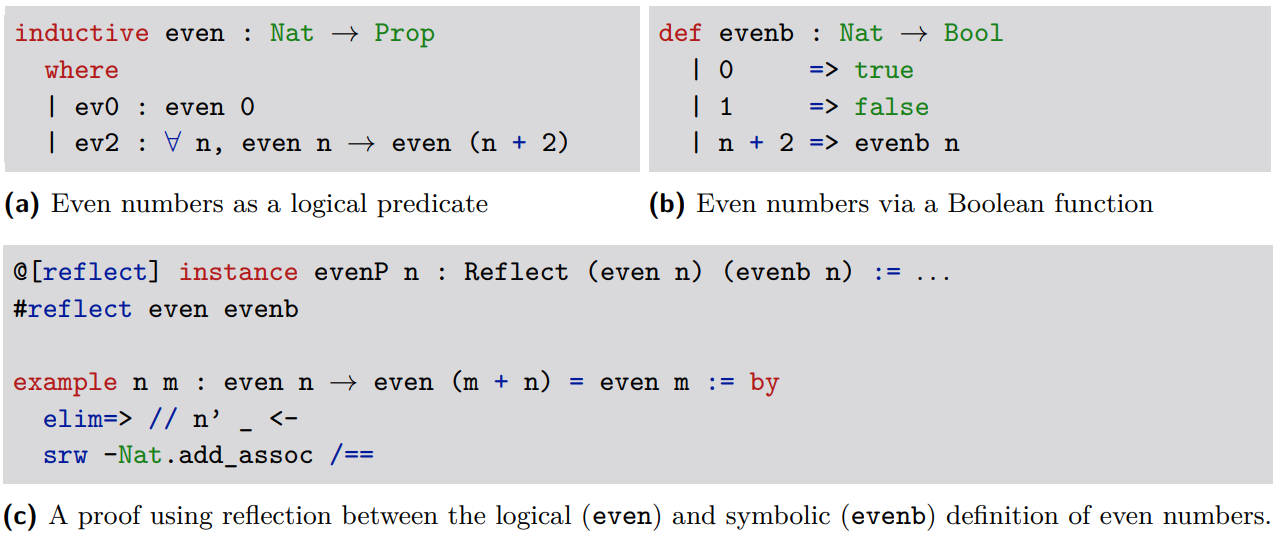
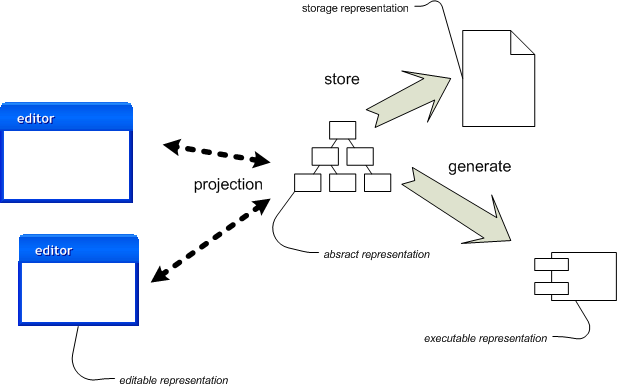
Language workbench demo (2009) from stealth startup Intentional Software
Maps between Interactions
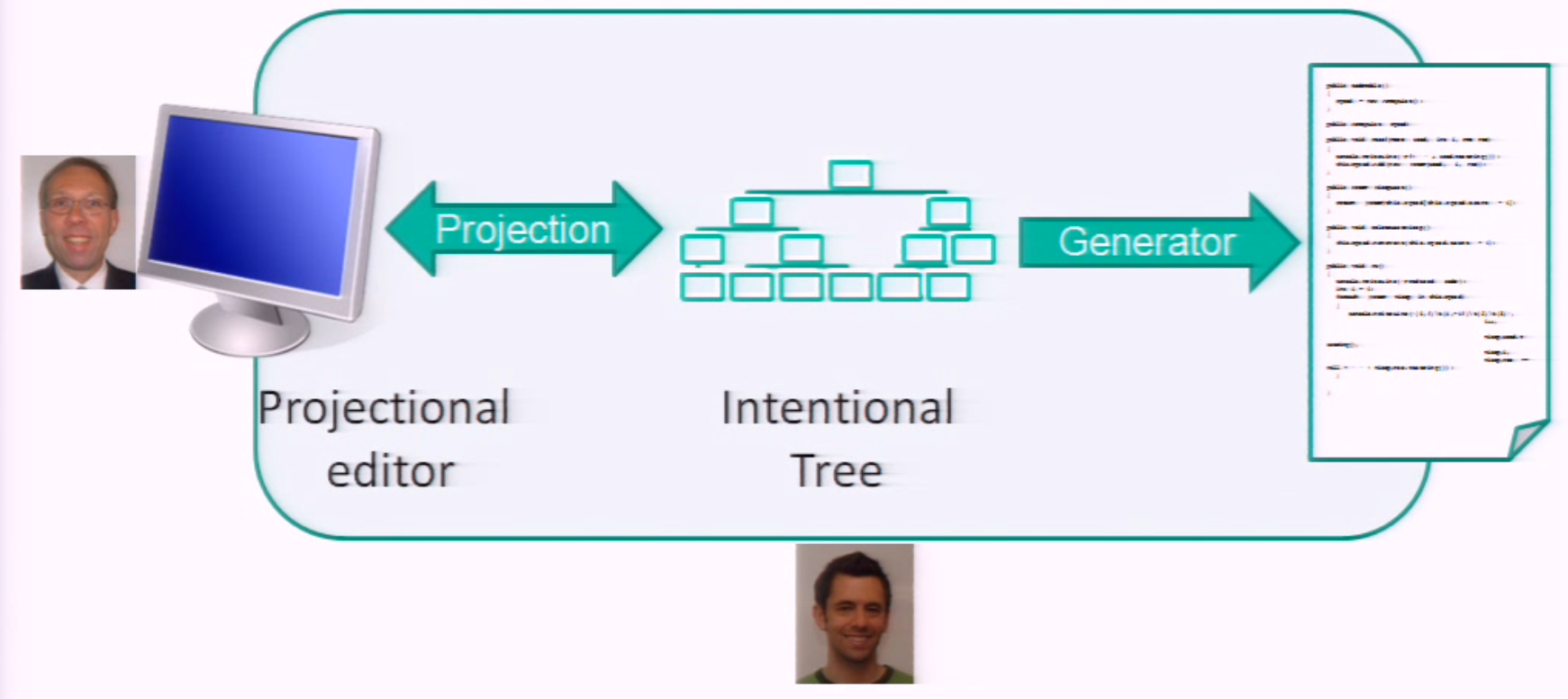
Reflection between logical predicates and boolean functions.
Managing Interfaces and Interactions
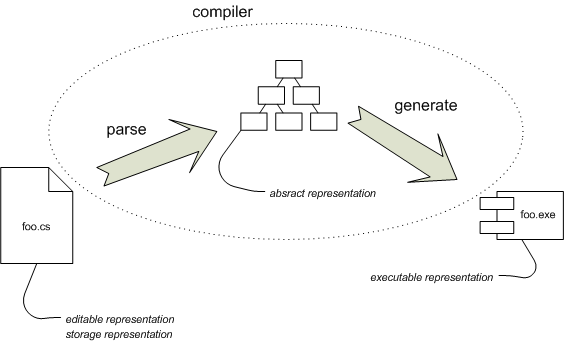
- Representation \(\leftrightarrow\) Interface. Projection \(\leftrightarrow\) Translation. Generation \(\leftrightarrow\) Refinement
- But do we really need a centralized abstract representation?
Traditional compilation
Language workbench
Double Categories
A (pseudo-)double category is a
category internal to \(\text{Cat}\), i.e.
category \(C_0\) of objects
category \(C_1\) of morphisms
source, target functors \(s, t: C_1 \rightarrow C_0\)
identity-assigning functor \(e: C_0 \rightarrow C_1\)
composition \(c: C_1 \times_{C_0} C_1 \rightarrow C_1\)
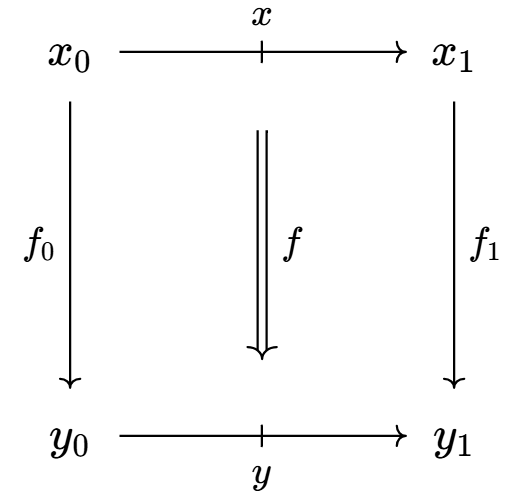
Double Categories
objects: objects of \(C_0\)
\(\downarrow\) tight morphisms: morphisms of \(C_0\)
⇸ loose morphisms: objects of \(C_1\)
(we only assume associativity holds
up to coherent isomorphism)\(\Downarrow\) cells: morphisms of \(C_1\)
Double Categorical Systems Theory
objects:
interfacestight morphisms:
interface mapsloose morphisms:
interactionscells:
interaction maps
Poset of Refinements
- Add checkpoints with git
- Backtrack when implementation is stuck
- Backtrack when specification is updated
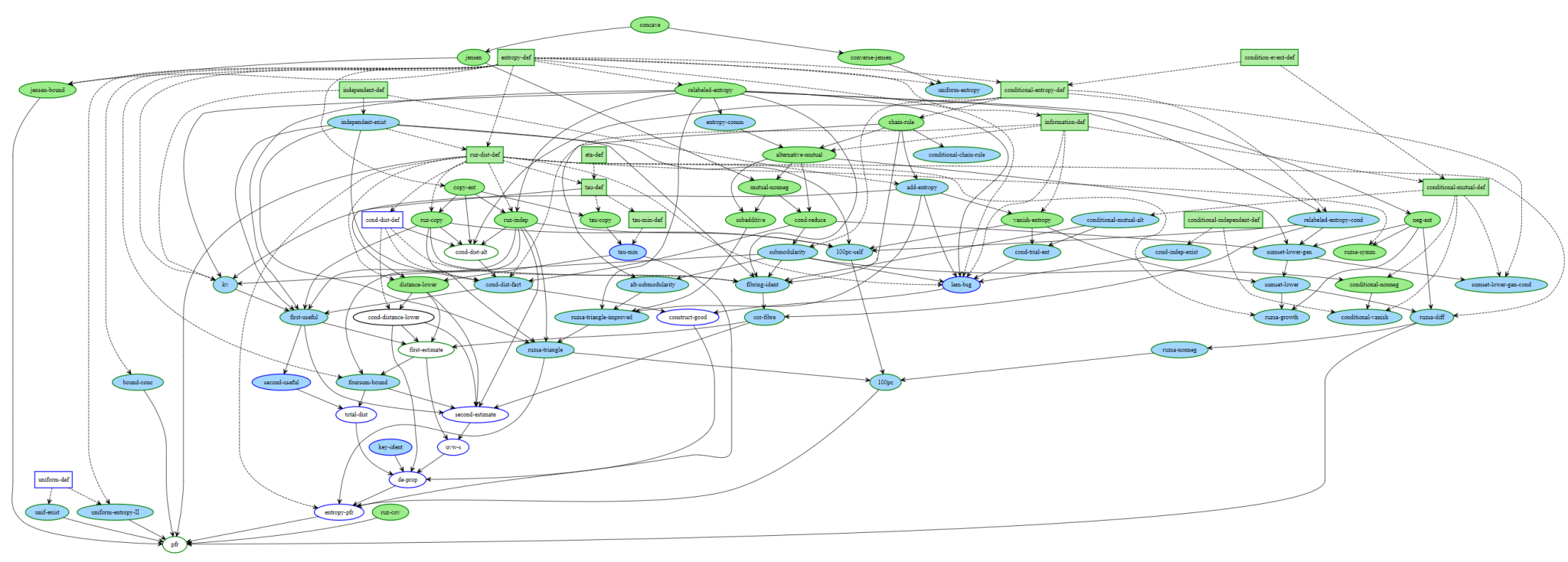
Blueprint for Coordination
- Blueprint (Patrick Massot) for coordinating collaborative theorem proving
- Build a Blueprint for the double category of refinement and translations?
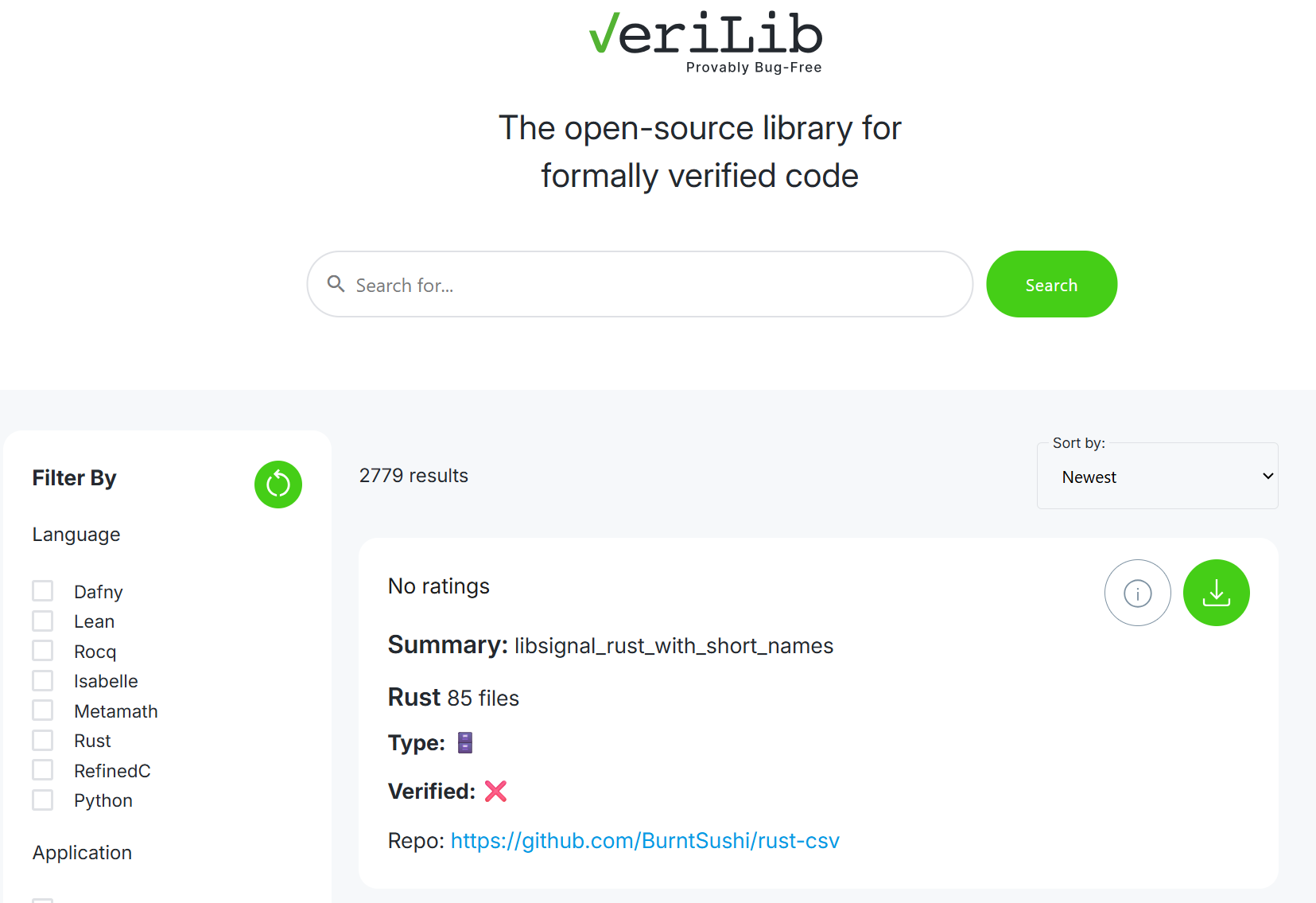
VeriLib
- https://verilib.org/
- Beneficial AI Foundation
- Collecting verified code
- Coordinating verification tasks
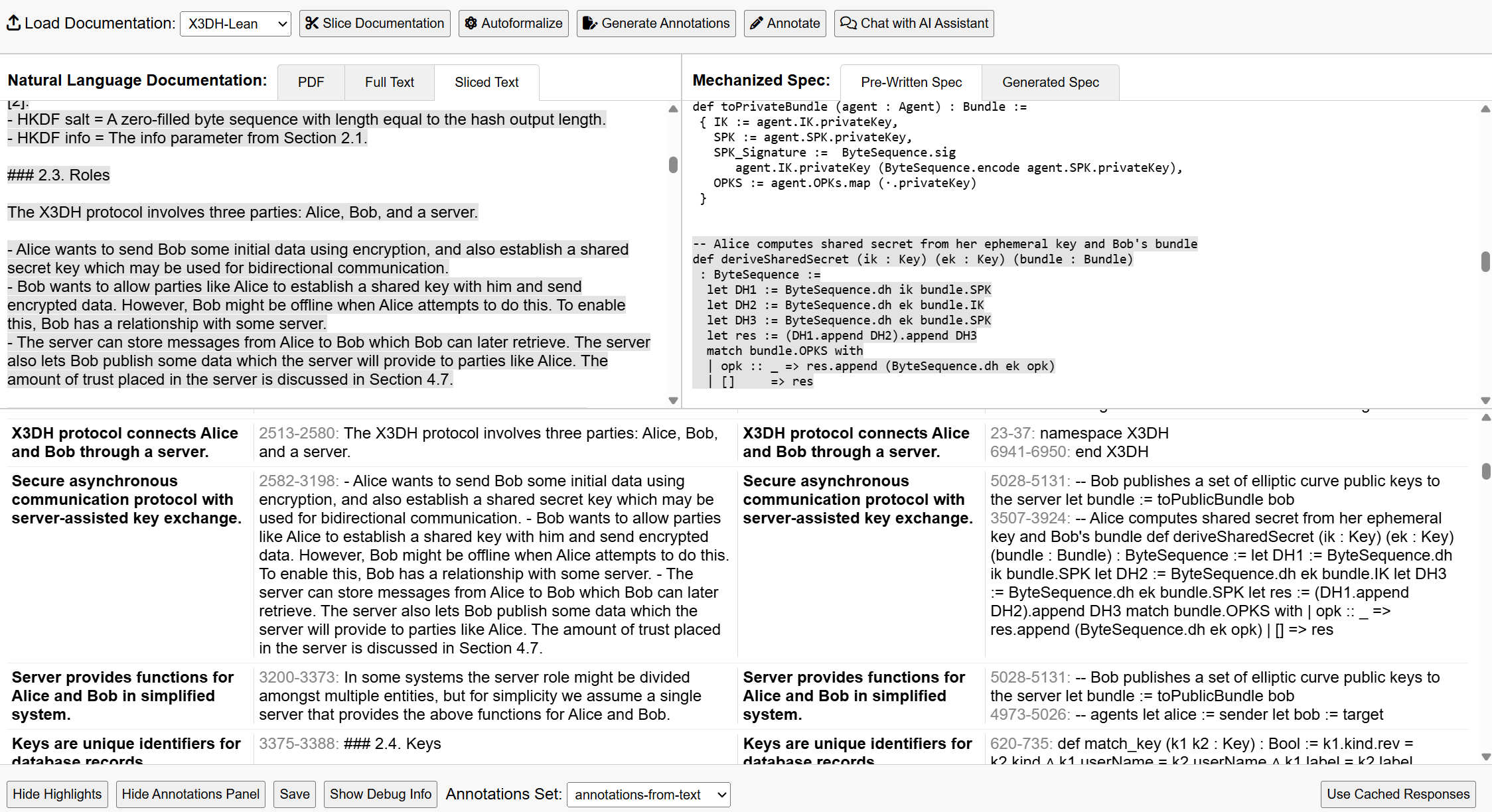
SpecIDE
Tool for spec translation (autoformalization), refinement and analysis
Aside: CatColab
https://catcolab.org/ for defining and computing with doctrines, theories,
models and instances within a double categorical framework.